
Views: 0 Author: Site Editor Publish Time: 2026-06-07 Origin: Site


High-fidelity audio and complex multi-channel setups eventually hit a harsh performance ceiling when relying solely on integrated AV receivers. Audiophiles often discover their current electronics heavily limit the true potential of their speakers. You spend thousands on premium towers. Yet the sound feels strangely flat during intense movie scenes. Complex musical passages lose their intricate detail entirely. Integrated systems heavily compress dynamic range. They risk severe thermal throttling when driving inefficient, low-impedance speakers. A crowded receiver chassis forces fragile audio signals to share tight space alongside noisy digital processing boards. This cramped proximity routinely causes muddy low-end frequencies.
Upgrading to a dedicated power unit shifts the heavy lifting away from sensitive processing components. This separation results in distortion-free headroom and highly precise driver control. You achieve verifiable audio fidelity at reference volumes. By taking the massive current generation out of the receiver box, you create a foundation for truly effortless sound.
Core Function: A power amplifier has one job—taking a low-voltage line-level signal from a pre-amp and multiplying it to drive passive speakers without altering the sound signature.
The Upgrade Threshold: You need a power amp when your integrated receiver clips at high volumes, lacks the RMS wattage to drive demanding speakers, or runs excessively hot.
Home Theater Advantage: Adding a power amplifier for the front soundstage (L/C/R) unburdens the AV receiver, leaving its internal amps to effortlessly drive surround and Atmos channels.
Purchasing Criteria: Base decisions on continuous RMS power across all channels driven, impedance matching (Ohms), and amplifier topology (Class AB vs. Class D), rather than marketed "peak" wattage.
Audio systems function best through a strict division of labor. We can clearly delineate the audio signal chain into three highly specialized phases. First, source components like standalone digital-to-analog converters translate raw digital data into fragile analog waveforms. They focus entirely on minimizing digital jitter. Next, pre-amps manage volume controls and execute source switching flawlessly. They act as the brain of your setup. Finally, the Power amplifier acts as the pure muscle. It supplies the high-current electrical force necessary to physically move your heavy speaker cones. It takes the tiny line-level signal and multiplies it massively.
Headroom represents a massive mechanical advantage in high-end audio reproduction. Dedicated units operate using massively oversized power supplies. They feature extremely heavy toroidal transformers or highly advanced switch-mode systems. Manufacturers build these internal components for extreme electrical loads. They handle sudden dynamic transients easily. When a blockbuster movie features massive explosions, you need instantaneous current delivery. When complex orchestral tracks hit dramatic crescendo swells, you experience absolutely zero voltage sag. The audio remains incredibly punchy. The speaker drivers start and stop with absolute precision.
Furthermore, physically splitting these components radically reduces your overall system noise floor. Separating the high-voltage amplification stage heavily protects sensitive low-voltage digital processing boards. Standard integrated units pack everything tightly together inside a single metal box. This tight proximity generates significant electromagnetic interference (EMI). It also introduces unwanted signal crosstalk between left and right channels. Separating the current-heavy amplification stage gives you an impeccably dark, silent background. You hear subtle micro-details previously obscured by electronic hum.
Defining success criteria helps you truly understand what good audio actually sounds like. A meticulously configured setup delivers tight, highly articulate bass response. You hear distinct instrument separation across a wide, three-dimensional soundstage. Vocals hang dead center. You notice absolute zero distortion even when pushing volumes well past reference levels. If your system currently falls short here, your electronics are likely struggling.
We can outline verifiable signs indicating an integrated unit is failing you during demanding playback. Pay close attention to these diagnostic symptoms:
Clipping: You hear harsh, distorted, or screeching treble at high volumes. This dangerous phenomenon occurs because the amp lacks sufficient voltage to reproduce the peaks. Clipping routinely destroys delicate tweeters.
Muddy Bass: The low-end sounds loose, flabby, or excessively boomy. This clearly signals a poor damping factor. It means the internal amp cannot tightly control the heavy woofer magnets during rapid bass hits.
Protection Mode: Your receiver randomly shuts down completely during intense listening sessions. This safety mechanism triggers due to severe thermal overload inside the cramped chassis.
We must also establish a transparent assumption regarding speaker efficiency. We want to help you avoid unnecessary spending. Highly efficient speakers boasting 90dB+ sensitivity in small acoustic rooms rarely require external amplification. An entry-level receiver often drives them perfectly fine without breaking a sweat. Upgrading makes sense primarily when you power demanding, low-impedance speakers. You absolutely need external gear for medium to large listening spaces exceeding 3,000 cubic feet. These larger environments demand massive current reserves.
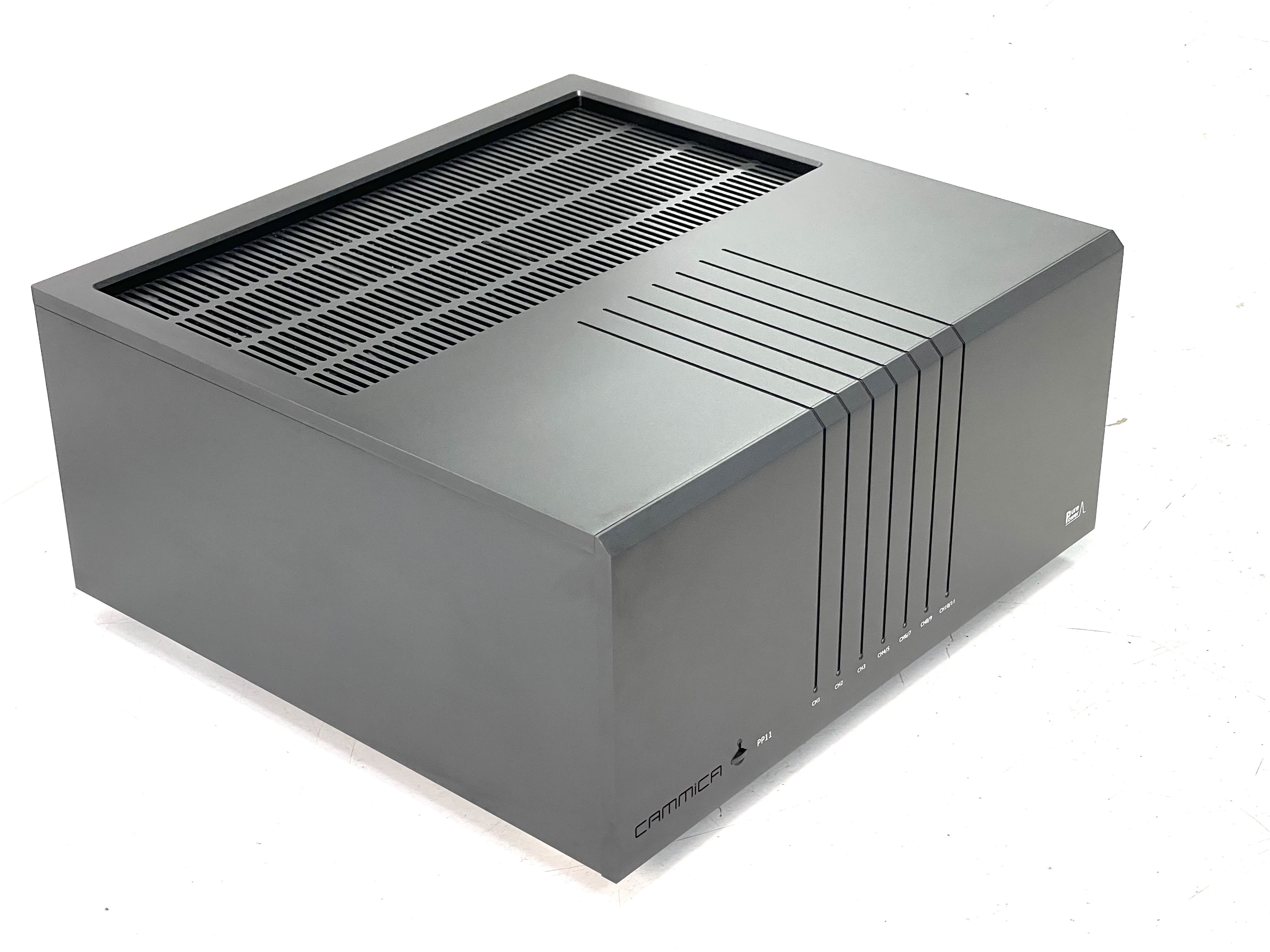
Deploying dedicated amplification transforms massive multi-channel setups completely. We strongly recommend offloading the standard AV receiver by utilizing a robust 3-channel unit for your primary soundstage. You assign this external power specifically to drive the Left, Center, and Right speakers. Nearly 70% of all cinematic movie audio occurs across these three front channels. Dialogue strictly anchors to the center channel. By pushing this heavy load to a dedicated Power amplifier for home theater, you free up massive internal resources inside the receiver.
This deployment strategy allows incredible surround and Atmos channel expansion. An external amp lets you process 11 to 13 discrete channels using a standard 9-channel AV receiver. You simply re-route the power distribution efficiently. The receiver handles the less demanding surround and overhead height effects effortlessly. The dedicated heavy-duty gear drives the power-hungry front mains.
Consistency across volume levels becomes absolute. Mainstream AV receivers frequently advertise "100 watts per channel" prominently on the box. Manufacturers usually measure this metric using only two channels driven simultaneously. Once you fire up all channels during an intense action sequence, the actual power output per channel plummets drastically. Dedicated gear operates entirely differently. It delivers its fully rated wattage continuously. All channels receive full power at the exact same time. You never lose dynamics or volume when the scene becomes chaotic.
Selecting the perfect unit requires rigorously evaluating internal topologies and realistic specifications. Let us explore the dominant amplifier classes shaping the current audio landscape.
Amplifier Class | Key Characteristics | Ideal Use Case Scenario |
|---|---|---|
Class AB | The traditional audiophile standard. Provides excellent linearity and incredibly low distortion. It is quite large, very heavy, and runs hot due to moderate power inefficiency. | Critical two-channel stereo listening and dedicated high-end acoustic rooms. |
Class D | The modern benchmark. Highly efficient, remarkably compact, and runs incredibly cool. Modern premium designs excel brilliantly across all frequencies. | Multi-channel setups, concealed media racks, and driving demanding subwoofers. |
We must aggressively dispel the outdated myths claiming Class D sounds harsh or clinical. Modern implementations featuring premium Hypex and Purifi modules rival the finest traditional designs. They provide pure audio transparency alongside staggering energy efficiency. A common mistake buyers make involves obsessing over marketing myths instead of verifiable measurements.
When comparing power ratings, you must separate marketing fact from fiction. Always ignore "Peak Power" or PMPO figures. Marketers inflate these numbers artificially to sell entry-level gear. Evaluate units based solely on continuous RMS wattage delivered into specific impedance loads. Look for transparent specifications like 200W RMS at 8 Ohms or 400W RMS at 4 Ohms.
Speaker synergy dictates your final choice entirely. Check your specific speaker sensitivity ratings carefully. Identify any minimum impedance dips across their frequency response curve. You must match these electrical requirements to the amplifier's continuous current delivery capabilities. A demanding speaker dipping to 3 Ohms needs an amp strictly rated for low-impedance stability. Ignoring impedance matching causes severe thermal shutdowns.
Adding separates introduces new wiring logistics and hardware considerations. You must prepare for specific implementation realities before purchasing new gear.
First, verify your pre-out requirements thoroughly. Your current AV receiver or integrated amp must feature dedicated "Pre-Outs." Without these analog outputs, you simply cannot pass the unamplified audio signal to external gear. Many entry-level receivers purposely omit this crucial connection.
Next, factor in cable infrastructure costs carefully. You need high-quality interconnects connecting the pre-amp directly to the power block.
RCA Interconnects: Unbalanced connections work perfectly fine for short runs under 10 feet. Ensure they feature robust shielding against external radio frequency interference.
XLR Cables: Balanced connections are heavily favored for long runs across complex rooms. They reject electrical noise and prevent signal degradation beautifully using a specialized ground pin.
Space and thermal management pose genuine physical rollout risks. Class A and Class AB units generate substantial heat constantly. They require significant heavy-duty media rack space. You must provide extensive top-ventilation clearance to prevent dangerous overheating. Enclosing them inside tight wooden cabinets quickly leads to protective thermal shutdowns.
Ground loops present another frustrating physical challenge. Introducing multiple dedicated power supplies strongly increases the risk of a 60Hz electrical hum. We strongly advise using active power conditioning. Establishing isolated grounds serves as an excellent troubleshooting measure against nasty ground loop feedback.
Finally, plan for system automation effectively. Nobody wants to manually power on five different heavy components every time they watch television. You need a standard 12V trigger cable. This simple wire connects the pre-amp directly to the main power block. It ensures your heavy amplification turns on and off automatically alongside your primary volume controller.
Our final assessment remains highly objective. Dedicated amplification serves as a precisely targeted solution for power-hungry speakers and high-dynamic-range listening. It delivers the fast transient response necessary for true reference-level audio reproduction. It is never a magic fix for poor room acoustics or improper speaker placement. Upgrading the electronics cannot bypass physical acoustic boundaries.
Audit your current speaker specifications immediately. Check their minimum impedance dips and overall sensitivity ratings. Then, inspect your receiver's rear panel closely to confirm the presence of pre-outs. Once you verify these critical details, you can comfortably begin shortlisting topologies. Implementing the correct heavy-duty components guarantees an ultimate sonic upgrade. You will finally hear everything the audio engineer intended.
A: No. You cannot safely connect a source directly to a pure amplifier unless that source has a built-in volume attenuator. Power amps operate at maximum gain constantly. A pre-amp or variable-volume source is strictly required to control the signal level and prevent destroying your speakers instantly.
A: While they certainly provide much more volume, their primary qualitative benefits include superior driver control, rapid transient response, and massive distortion reduction. They prevent high-volume clipping entirely. They maintain a tight, articulate grip on your woofers, which significantly clarifies complex musical passages and deep bass notes.
A: An AV receiver is an all-in-one unit combining video switching, digital audio processing, volume control, and internal amplification. A dedicated power amp handles just one specific job: delivering high-current electrical force to passive speakers. It lacks volume knobs, digital HDMI inputs, or processing capabilities entirely.
robinwang111
+86 18823794757
+86 18665912888 (whatApp/Wechat)
sales01@davecl.com
 Room 504, President Commercial Centre, 608 Nathan Road, Mongkok, Kowloon, HK
 No.196, Dongxing Road, Tangxia Town, Dongguan, GD, China Post code:523710